


BREAST DENSITY ACCORDING TO THE ACR CLASSIFICATION
- Dr. Segnini

- Nov 6
- 1 min read
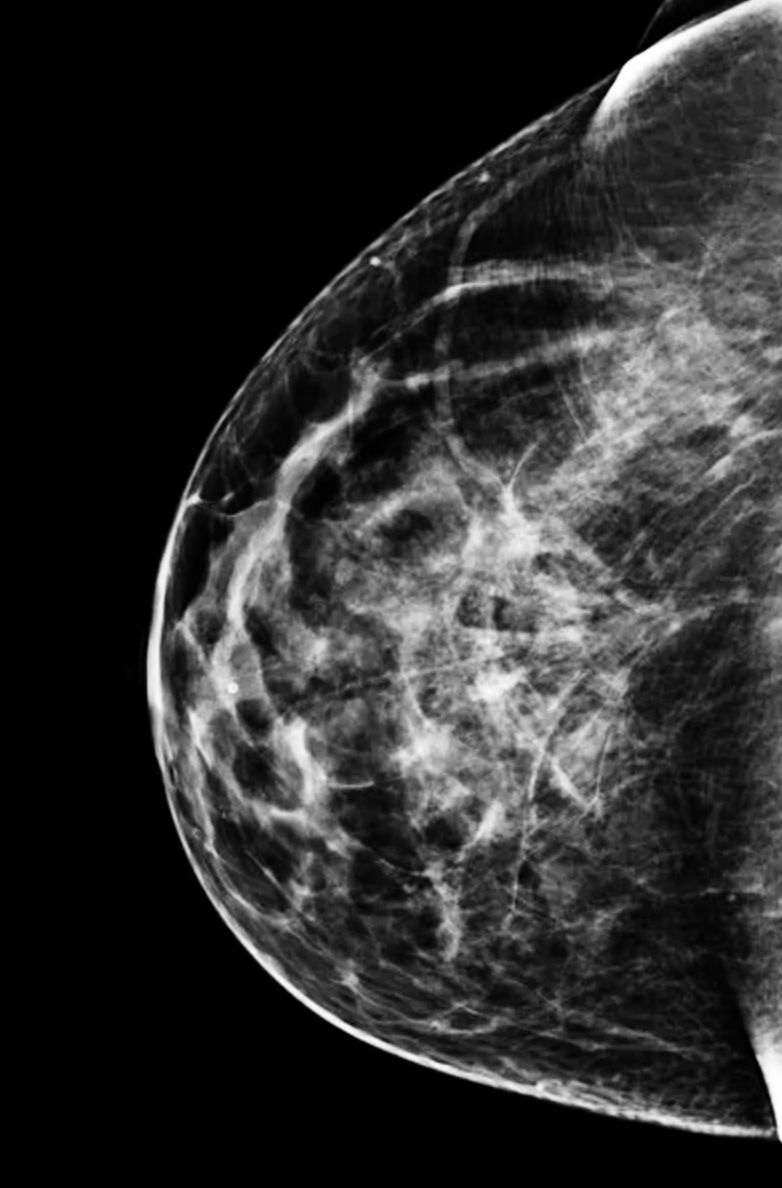
ACR breast density refers to the classification of breast density according to the Breast Imaging Reporting and Data System (BI-RADS) developed by the American College of Radiology (ACR).
ACR breast density is classified into four categories:
Category A: fatty tissue that represents less than 25% of the breast.
Category B: fatty tissue that represents between 25% and 50% of the breast.
Category C: fatty tissue that represents between 50% and 75% of the breast.
Category D: fatty tissue that represents more than 75% of the breast.
ACR breast density is important because women with higher breast density have a greater risk of developing breast cancer.
Studies have shown that women with breast density category C or D have a four to six times greater risk of developing breast cancer compared to women with breast density category A or B.
Therefore, ACR breast density is a useful tool for physicians and patients to identify women at higher risk of breast cancer and take appropriate preventive measures, such as more frequent follow-up or additional screening tests.


Comments